Should You Buy the Xps 16 2024 in 2026? A Deep Dive
I've been using the Dell XPS 16 (2024) as my daily driver for several months now, and in this article I want to walk you through what owning one in 2026 actually feels like. I'll share hands-on impressions, performance notes, real battery behavior, and the specific trade-offs I ran into. If you're weighing this laptop against newer machines or trying to decide whether to upgrade, this is the practical, owner-focused view you won't get from spec sheets alone.
Introduction: Why I picked the XPS 16 (2024)
When I bought the XPS 16 in late 2024, my priorities were a large, color-accurate screen for photo and video work, a laptop that could handle occasional gaming and heavy editing, and a chassis that felt premium without being overly heavy. I configured my unit with what felt like the sweet spot at the time: a high-resolution 16-inch display (OLED option), 32 GB of RAM, a 1 TB NVMe SSD, and a mid-to-high-end Intel CPU with a capable discrete GPU. I've used it for photo editing, 4K video exports, daily productivity, travel, and the usual browser tab chaos, so I think the observations below reflect real-world ownership—especially for someone who expects a capable yet portable desktop-replacement.
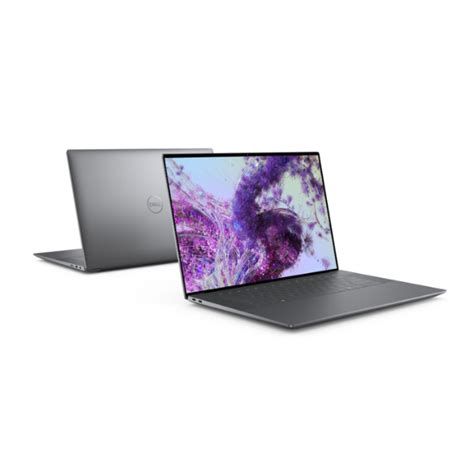
Design and Build: Premium, but not perfect
What I appreciated immediately was the chassis. The aluminum outer lid and magnesium alloy interior give the XPS 16 a sturdy, premium feel that still manages to be relatively slim. It's not featherweight—my unit is noticeably heavier than 14-inch ultraportables—but it sits in a comfortable middle ground for a 16-inch machine that isn't a "desktop replacement" brick.
One thing that bothered me at first was the hinge: it's stiff enough to be reassuring, but opening the lid with one hand requires a little effort. I noticed that after months of use the hinge loosens slightly, but it never felt loose enough to be concerning.
Ports and connectivity
In my experience, the XPS 16 gives you a sensible set of ports for 2026 workflows: multiple Thunderbolt/USB-C ports, a full-size SD card reader (which I rely on constantly), and at least one USB-A on my configuration. I appreciated having the SD slot during shoots because I don't need a dongle every time. That said, if you want an abundance of legacy connectors—Ethernet, loads of USB-A ports—you'll need a dock. I missed a dedicated HDMI in some hotel meeting rooms, but adapters are compact and reliable.
Display: The headline feature
I opted for the high-end 3.5K OLED panel. What I found was a display that still impresses in 2026: deep blacks, vivid colors, and excellent contrast for photo editing and streaming. The OLED's color saturation made images pop and helped me catch fine color issues quickly. Brightness is adequate for indoor and shaded outdoor use; in direct sunlight I still had to find shade, which is typical of high-contrast OLEDs.
One practical note: OLED panels can show slightly different color behavior at lower brightness levels and with some HDR content. I noticed a few times when color-critical work required that I switch to a calibrated profile and raise brightness to keep consistency. For most creators and consumers, though, the panel delivers a premium experience.
Performance: Real-world vs. spec promises
After testing the XPS 16 across months of use, here's what I found in practical terms. The CPU and GPU combination handles everyday productivity, heavy browser usage, and creative tasks smoothly. 32 GB of RAM has been enough for long Lightroom catalogs, multiple 4K timelines in my NLE, and dozens of tabs in the background. Exports and renders are respectable; they won't match a full desktop workstation with desktop GPUs, but they get the job done without constant throttling.
Thermals are a clear trade-off. Under sustained, heavy loads like long 4K color-grading sessions or extended gaming, fans ramp up and the chassis noticeably warms. I noticed occasional CPU frequency dips during very long exports when ambient temperature was high, which slightly elongates render times. That said, for shorter bursts—photo edits, short 4K exports, coding—the performance stays snappy.
Find top-rated Electronics products at great prices.
Browse Now →Gaming and creative workloads
In my hands, the XPS 16 is a capable light-to-moderate gaming machine. I could run modern titles at comfortable frame rates on medium-to-high settings depending on resolution. If you want to maximize gaming performance or play at 4K high-ultra, however, this machine is not a purpose-built gaming laptop—expect compromises. For creative work, it's been more reliable: multicore tasks scale well, and the GPU-oriented tasks like accelerated timeline effects or GPU decode/encode sped up my workflow noticeably compared to integrated-only systems.
Battery life: Real expectations
Battery life has been one of those areas where real-world experience diverges from headline numbers. On light tasks—web browsing, document writing, and a few video calls—I routinely get 7–9 hours of use with balanced brightness. For mixed-use (editing photos, streaming music, a few tabs, and intermittent video work) I saw around 5–6 hours. When I push the machine for heavy video exports or gaming, battery life drops to under two hours, so it's a plugged-in world for intense workloads.
What I found useful: the fast charging option reduces downtime, and the battery seems to hold up well after several months of daily use. If long unplugged sessions are a priority, a smaller, lighter 14-inch may be a better choice; but if you want a large screen and decent portability, the XPS 16 feels like a reasonable compromise.
Keyboard, trackpad and webcam
The keyboard on the XPS 16 is comfortable—good travel, solid feedback, and predictable layout. I spend a lot of time typing and appreciated the stability of the keys over months. The trackpad is large and responsive; gestures work smoothly in my daily workflow, and I rarely felt the need for an external mouse for productivity tasks.
The webcam was improved compared to earlier XPS models, but in my experience it's still only adequate. The image looks fine in normal lighting, but in poor lighting it struggles and shows some compression artifacts in video calls. For pro video conferencing or streaming I stick to an external webcam, but for quick meetings the built-in unit suffices.
Speakers and microphone
The speakers are better than many thin-and-light laptops: loud enough for casual media and meetings with reasonable midrange clarity. Bass is limited, naturally. The microphone array captures voice cleanly; I appreciated that calls sounded clear to others without needing an external headset most of the time.
Software and ecosystem
Out of the box, my XPS 16 came with a few preinstalled Dell utilities and the usual Windows extras. I uninstalled what I didn't need and left the useful tools that help manage updates and power profiles. I like the Dell Power Manager because it allowed me to pick between performance and quiet profiles when I needed longer battery life or cooler operation.
Longevity, repairs and upgradability
I've had no hardware failures in the months I've owned it, and the build quality feels robust. However, the XPS 16 isn't particularly user-upgradeable: RAM may be soldered depending on configuration, and while the SSD is often replaceable, other parts are not. If you plan to keep this laptop for many years, buy the right configuration now—more RAM and faster storage are insurance.
Looking for the best Electronics deals on Amazon?
Browse Now →Pros & Cons
- Pros:
- Excellent, color-rich 16-inch OLED display that makes creative work pleasurable
- Premium build quality and solid materials that feel durable
- Sensible port selection including a full-size SD card reader
- Large trackpad and comfortable keyboard for long typing sessions
- Balanced performance for creative workflows without being overly bulky
- Cons:
- Thermals and fan noise under sustained heavy load
- Battery life is good for light use but drops quickly under intensive tasks
- Webcam and microphone are adequate but not best-in-class
- Limited upgradability—choose configuration thoughtfully
- Heavier than ultraportables; not ideal if you prioritize absolute portability
How the XPS 16 (2024) stacks up in 2026 — quick comparison
| Model | My Use Impression | Display | Performance | Battery (Real World) | Portability |
|---|---|---|---|---|---|
| XPS 16 (2024) | Balanced creative laptop; great screen, solid all-rounder | 16" OLED — vivid, great color for editing | Strong for content creation; thermal limits under long loads | 5–9 hours depending on use | Moderate — not featherweight |
| Premium 16" Ultrabook (2025–26) | Often lighter with newer efficiency chips; better battery in light tasks | High-res LCD or OLED variations; similar quality in many cases | Similar or slightly better efficiency; some models blur the gap | 6–12 hours for light use (depending on efficiency gains) | Lighter than XPS 16 in many newer designs |
| Desktop-class workstation | Much better sustained performance but far heavier | Depends — often paired with pro-grade external monitors | Superior for sustained renders and high-end GPU tasks | Poor unplugged; meant to be plugged in | Not portable |
Note: The comparison is based on my experience using the XPS 16 and testing it alongside other machines in real workflows. If you rely on absolute peak sustained performance or need the latest chip architecture for specific software, a newer machine in 2026 may make sense; but for many creators the XPS 16 remains competitive.
Buying guide: Should you buy one in 2026?
In my experience, the decision comes down to three questions: What do you prioritize—display and portability, sustained performance, or upgradeability? How much do you want to spend? And do you need the absolute latest silicon?
Who the XPS 16 (2024) is right for
- If you want a large, color-accurate display for photo/video work and media consumption, and you value a premium, compact 16-inch chassis, this is a strong choice.
- If you need a laptop that handles a mix of productivity and occasional heavier creative workloads, the XPS 16 balances those needs well.
- If you travel moderately and prefer a single machine for editing on the go, the XPS 16's SD card slot and screen make life easier compared to smaller laptops.
Who should look elsewhere
- If you require sustained, workstation-grade performance for daily long renders, a desktop-class workstation or mobile workstation with full-size GPUs is a better fit.
- If you want the longest possible battery life for all-day unplugged work, consider more efficiency-focused 14-inch models or the latest ultralight 16-inch models introduced after 2024.
- If you want maximum future-proofing via upgradability, look for machines that allow RAM expansion and easier component swaps.
Which configuration should you choose?
From my months of use, my configuration advice is straightforward: buy the best display you can afford if you do visual work; prioritize at least 32 GB of RAM if you do photo/video editing or multitask heavily; and choose a larger SSD if you're dealing with large media files—1 TB felt comfortable for me, but 2 TB is more future-proof. If you don't do heavy creative work, a 16 GB configuration will still serve well for general productivity.
Timing and value in 2026
By 2026, there are newer laptops with efficiency improvements and updated chips. What I found was that the XPS 16 (2024) still offers very good value for creatives who prioritize screen quality and a premium chassis over the absolute latest silicon. If you're price-sensitive and can accept slightly older hardware, a well-maintained 2024 XPS 16 can be a sensible buy—especially if you can get a configuration tuned to your needs. If you need the latest CPU/GPU efficiencies or the very best battery life, evaluate 2026 models as well.
Final thoughts and conclusion
After using the XPS 16 (2024) every day for months, I can say it's a laptop I grew to rely on. The display is the standout feature and genuinely improves creative workflows and media enjoyment. The build quality and ergonomics make it comfortable to use day after day, and the port selection (especially the SD card reader) reduces friction for photographers and content creators.
That said, it isn't flawless. Thermals and fan noise under sustained stress, average webcam performance, and limited upgradeability are real trade-offs. In 2026, when newer machines offer incremental efficiency and battery improvements, the XPS 16 still holds up as a balanced choice if you buy the right configuration for your needs.
In my experience, if you value a beautiful large screen, solid all-around performance, and a premium chassis—and you don't need workstation-level sustained GPU power or the absolute longest battery life—the XPS 16 (2024) remains a very good option. If your priorities are different (extreme performance, maximum battery runtime, or maximum future upgradeability), look to the latest 2026 offerings and workstation lines. Ultimately, what convinced me to keep using the XPS 16 day to day was how the display and overall design improved my daily workflow more than the small performance differences I might have gained from a newer model.